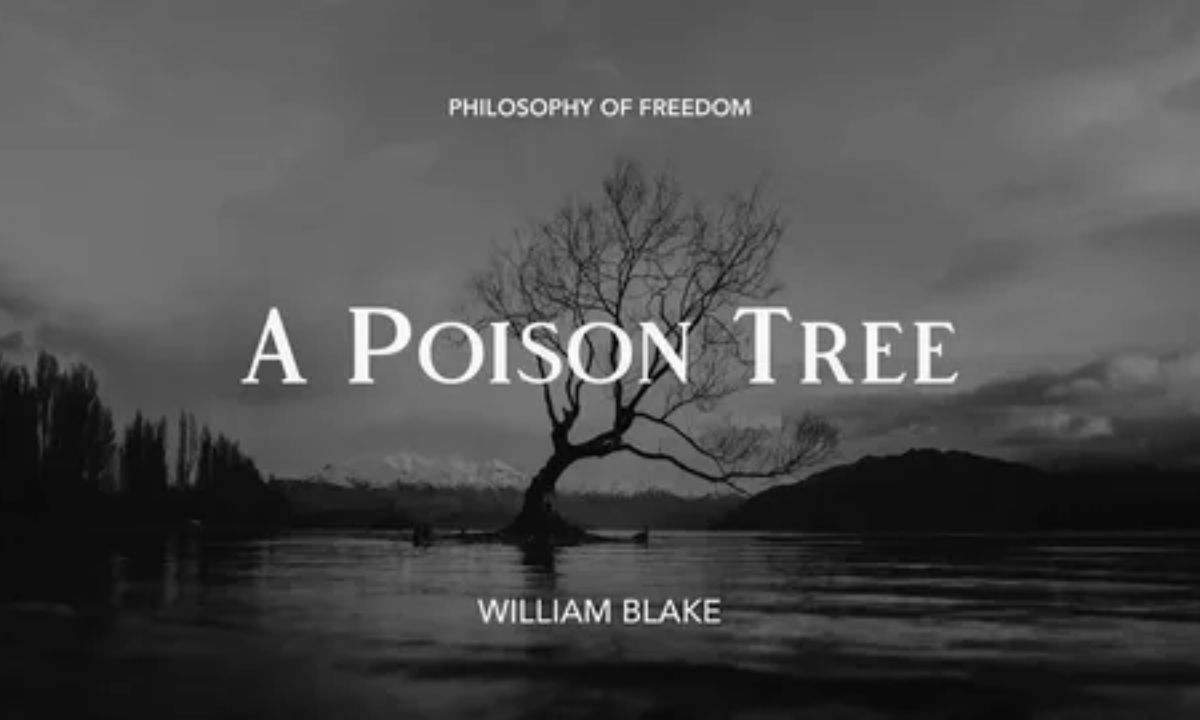
The phrase “Poison Tree” is widely known from the famous poem A Poison Tree written by William Blake. It carries a deep symbolic meaning related to emotions, especially anger and resentment. Many people search for poison tree meaning to understand its literary, emotional, and psychological significance.
In this article, you’ll learn the meaning, pronunciation, history, symbolism, and real-life relevance of “Poison Tree” in simple language.
Poison Tree Meaning (Simple Explanation)
The meaning of “Poison Tree” refers to hidden anger that grows over time and leads to harmful consequences.
In the poem, the speaker does not express anger openly. Instead, they keep it inside, and it grows like a tree that eventually produces a poisonous fruit. This fruit symbolizes revenge or harm caused by suppressed emotions.
👉 Simple meaning:
When you don’t express your anger honestly, it can grow stronger and turn into something dangerous.
Pronunciation of “Poison Tree”
The correct pronunciation is:
👉 /ˈpɔɪ.zən triː/
Phonetic breakdown:
- Poison → POY-zuhn
- Tree → TREE
📌 Easy way to say it: “POY-zun TREE”
History of “A Poison Tree”
The phrase comes from the poem A Poison Tree, which was published in 1794 as part of Songs of Experience.
About the Poet
- William Blake was an English poet, painter, and visionary.
- He wrote poems that explored human emotions, morality, and society.
Historical Context
- The poem was written during a time when Romantic poets focused on emotion, nature, and human psychology.
- Blake used simple language but deep symbolism to express complex ideas.
Summary of the Poem
In “A Poison Tree”, the speaker describes two situations:
- When angry at a friend → they talk about it → anger goes away
- When angry at an enemy → they hide it → anger grows
The hidden anger becomes a tree, which produces a poisoned apple. The enemy eats the fruit and dies, symbolizing the destructive result of suppressed emotions.
Symbolism in “Poison Tree”
The poem uses powerful symbols:
- Tree → Growth of anger over time
- Apple → Temptation and revenge
- Garden → The mind or inner thoughts
- Night → Secrecy and hidden emotions
These symbols show how negative feelings can grow if not addressed properly.
Deeper Meaning and Psychological Insight
The poison tree meaning also connects to psychology:
- Suppressed anger can lead to stress and anxiety
- Unexpressed emotions may turn into hatred or revenge
- Honest communication helps prevent emotional damage
👉 The poem teaches:
Express your feelings honestly instead of hiding them.
Literary Themes in “Poison Tree”
Key themes include:
- Anger and resentment
- Revenge
- Human emotions
- Consequences of silence
- Moral lessons about honesty
Real-Life Examples of Poison Tree Meaning
Here are simple everyday examples:
- Friendship Issue
You feel hurt but don’t talk about it → resentment grows → friendship breaks - Workplace Conflict
You hide anger toward a colleague → tension builds → conflict worsens - Family Disputes
Silent anger leads to long-term misunderstandings
👉 These examples show how the “poison tree” concept applies in real life.
Why “Poison Tree Meaning” Is Important
Understanding this phrase helps you:
- Improve communication skills
- Manage emotions better
- Avoid unnecessary conflicts
- Build healthier relationships
Symbolism in “A Poison Tree”
The poem A Poison Tree by William Blake is rich in symbolism. Each element represents deeper emotional and psychological ideas, especially about anger and human behavior.
1. The Tree
The tree symbolizes anger that grows over time. Just like a real tree grows with care and attention, hidden anger becomes stronger when it is not expressed. It represents how emotions can develop into something dangerous if ignored.
2. The Apple
The apple represents temptation and revenge. It looks attractive on the outside but is deadly inside. This shows how revenge can seem satisfying at first but ultimately leads to harm.
3. The Garden
The garden symbolizes the human mind or inner world. It is the place where thoughts and emotions grow. If the mind is filled with negativity, it produces harmful outcomes.
4. The Enemy
The enemy represents any person we hold anger against. It is not just a specific individual but a symbol of conflict and unresolved issues in our lives.
5. Night and Darkness
Night and darkness symbolize secrecy, hidden emotions, and evil intentions. The speaker hides their anger, allowing it to grow in the dark without being confronted.
6. Sunlight and Rain
These elements symbolize the nurturing of anger:
- Sunlight → false friendliness or fake smiles
- Rain → tears or emotional feeding of anger
Together, they show how anger is carefully “grown” instead of resolved.
Conclusion
The poison tree meaning is a powerful lesson about the dangers of hidden anger. Through the poem A Poison Tree, William Blake teaches that emotions should be expressed honestly.
If anger is suppressed, it grows like a poisonous tree and can harm both you and others. The key message is simple but important:
👉 Speak openly, resolve conflicts early, and don’t let anger grow inside you.
FAQs About Poison Tree Meaning
1. What is the main message of “Poison Tree”?
The main message is that hidden anger leads to destructive consequences.
2. Who wrote “A Poison Tree”?
It was written by William Blake.
3. What does the tree symbolize?
The tree represents growing anger and resentment.
4. What does the apple represent?
The apple symbolizes revenge and temptation.
5. Is “Poison Tree” still relevant today?
Yes, it reflects modern emotional and psychological issues like stress and communication problems.