When sending a message, writing an email, or greeting someone at the start of the day, most people type “good morning” automatically. However, many English learners and even native speakers often wonder:
👉 Is it good morning or goodmorning?
This confusion is common, especially in casual texting and social media. In this complete blog-style grammar guide, we will explain the correct form, grammar rules, examples, and common mistakes so you can use the phrase confidently in both formal and informal writing.
What Is the Correct Form: Good Morning or Goodmorning?
✅ Correct: Good morning ❌ Incorrect: Goodmorning
The correct and grammatically accepted form is “good morning”, written as two separate words. The single-word version goodmorning is not recognized by standard English dictionaries and should be avoided in professional or correct writing.
Meaning of “Good Morning”
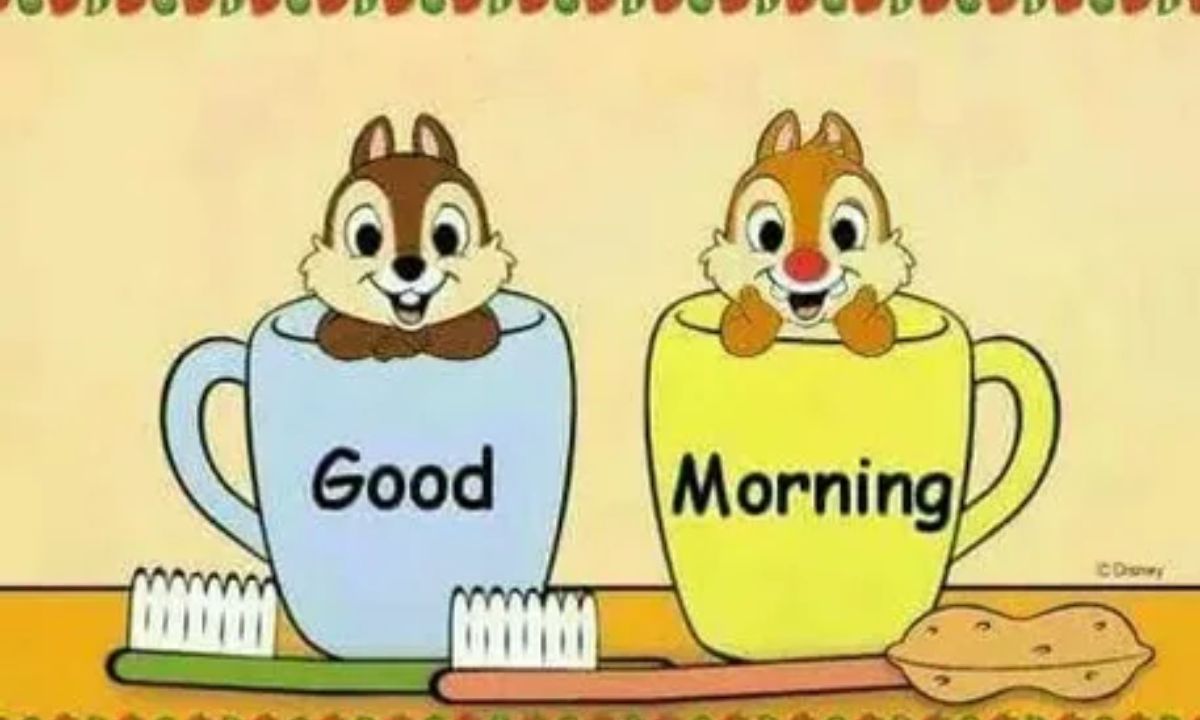
Good morning is a polite greeting used to wish someone well at the start of the day. It is typically used from early morning until around noon.
The phrase expresses:
- Politeness
- Positivity
- Respect
- A friendly start to the day
Examples:
- Good morning! I hope you slept well.
- Good morning, everyone. Let’s begin the meeting.
- Good morning, Sir. How can I help you?
Why “Goodmorning” Is Incorrect
Many people mistakenly write goodmorning as one word. This usually happens because of typing habits or confusion with other English words.
Common reasons for the mistake:
- Fast typing on mobile devices
- Autocorrect issues
- Social media habits
- Confusion with words like “goodbye”
- Non-native English influence
Even though you may see goodmorning used online, it is still considered grammatically incorrect.
Grammar Explanation: Why Is It Two Words?
The phrase good morning is an open compound in English. That means it consists of two separate words that work together as one idea.
Let’s break it down:
- Good → adjective
- Morning → noun
The adjective good describes the noun morning. English grammar rules state that adjective + noun combinations are usually written as two words, unless they have officially evolved into a single compound word (which good morning has not).
How to Use “Good Morning” Correctly
1. In Formal Writing
Always use good morning (two words) in:
- Emails
- Office communication
- Letters
- Speeches
Example:
Good morning, Mr. Ahmed. I am writing to inform you about the meeting schedule.
2. In Informal Writing
Even in texts and chats, the correct form remains the same.
Example:
Good morning 😊 Have a great day!
Capitalization Rules
- Capitalize Good Morning when starting a sentence or in headings.
- Use lowercase good morning when it appears mid-sentence.
Examples:
- Good morning! Welcome to our blog.
- She said good morning before leaving.
Common Situations Where “Good Morning” Is Used
| Situation | Example |
|---|---|
| Emails | Good morning, team. |
| Meetings | Good morning, everyone. |
| Text messages | Good morning ☀️ |
| Phone calls | Good morning, customer support speaking. |
Quick Memory Tip
💡 Remember this rule: If you can replace “good” with another adjective (like nice morning), then it should stay as two words.
✔️ Good morning ✔️ Nice morning ❌ Nicemorning
Frequently Asked Question
Is “Goodmorning” ever correct?
No. Goodmorning is not considered correct in standard English, even in informal writing. Always use good morning as two separate words.
Final Thoughts
The confusion between good morning and goodmorning is very common, but the rule is simple:
✔️ Good morning — always correct ❌ Goodmorning — always incorrect
Using the correct form improves your grammar, professionalism, and communication skills. Whether you’re writing an email, sending a message, or greeting someone in person, always choose the two-word version.
Good morning — and happy writing! ☀️