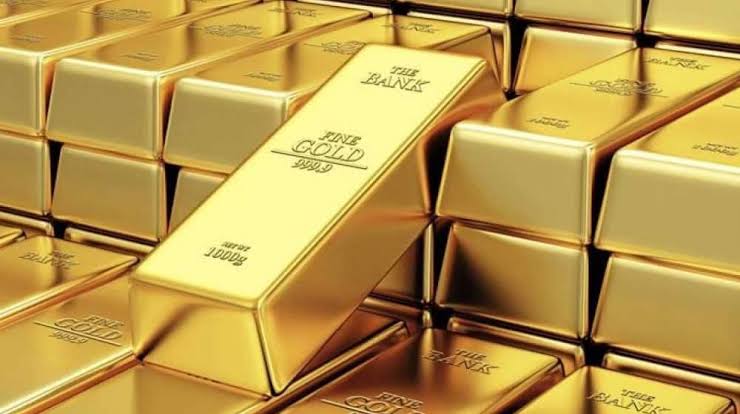
Gold has experienced a turbulent start to 2026. Prices climbed steadily during the opening weeks of the year, reaching new highs in January before retreating through March. More recently, gold has traded near its lowest level of the year at around $4,170 per ounce, with prices largely moving within a relatively narrow range.
A combination of geopolitical tensions, shifting trade policies, central bank activity, and changing investor sentiment has contributed to the market’s volatility. As investors look ahead, one key question remains: will demand recover strongly, or will gold continue to trade sideways?
Gold Faces an Uncertain Outlook
Forecasting gold prices has become increasingly challenging. While some analysts remain optimistic about the metal’s long-term prospects, short-term movements continue to depend on economic conditions and investor confidence.
Analysts at J.P. Morgan Global Research expect gold to average around $6,000 per ounce during the final quarter of 2026, with prices potentially increasing to approximately $6,300 by the end of 2027. However, they also acknowledge that enthusiasm among investors has cooled compared to earlier in the year.
At present, gold is trading between important technical support and resistance levels, leaving the market without a clear direction. Concerns that persistent inflation could encourage the U.S. Federal Reserve to maintain higher interest rates have also reduced investor appetite for the precious metal.
Geopolitical Events Continue to Influence Demand
International conflicts remain one of the most significant drivers of gold prices.
Ongoing tensions in the Middle East have increased uncertainty across global financial markets. Although recent developments have reduced some immediate fears surrounding energy prices and inflation, broader concerns remain.
Investors continue to monitor issues such as:
- Rising inflation and the declining purchasing power of currencies.
- Government debt and fiscal spending.
- Growing geopolitical divisions.
- Uncertainty surrounding global economic and political policies.
These long-term concerns continue to support gold’s role as a traditional safe-haven asset, even if short-term demand fluctuates.
Updated Gold Price Expectations
Although forecasts have recently been revised lower, many analysts still expect prices to trend upward over the next two years.
Current projections suggest:
| Period | Forecast Gold Price (USD/oz) |
|---|---|
| Q1 2026 | 4,873 |
| Q2 2026 | 4,800 |
| Q3 2026 | 5,300 |
| Q4 2026 | 6,000 |
| Q4 2027 | 6,300 |
While these estimates are lower than previous forecasts, they still indicate expectations of long-term strength in the gold market.
Are Central Banks Still Buying Gold?
Central bank demand has been one of the strongest factors supporting gold prices in recent years.
Between 2021 and 2025, central banks purchased an average of around 225 tonnes of gold each quarter, roughly twice the pace recorded during the previous five-year period.
Official figures for early 2026 appeared weaker, with several central banks reporting sales and only modest net purchases. However, many experts believe these numbers do not tell the whole story.
Unlike many other financial assets, central banks are not required to report every gold purchase immediately. As a result, a significant portion of global buying may remain undisclosed.
Industry estimates based on bullion market activity suggest that actual central bank demand during the first quarter of 2026 may have been considerably higher than official statistics indicate.
China’s Growing Gold Reserves
China appears to be one of the largest contributors to ongoing demand.
Recent trade data suggests Chinese gold imports increased significantly during the first quarter of 2026, while the People’s Bank of China also reported larger monthly additions to its reserves than in previous months.
Many analysts believe these purchases form part of a long-term strategy to diversify reserve assets and reduce reliance on the U.S. dollar.
Following international sanctions imposed on Russia in 2022, many countries have reassessed the security of holding foreign currency reserves, increasing interest in assets such as gold.
Insurance Companies Could Become Major Buyers
Another emerging source of demand comes from China’s insurance industry.
Regulatory changes now allow several of the country’s largest insurers to invest a small percentage of their assets in physical gold. Even modest allocations represent substantial quantities of bullion due to the size of these institutions.
Some market observers believe future increases to these allocation limits could create additional long-term demand, potentially providing further support for gold prices.
What Could Push Gold Prices Lower?
Although many analysts remain positive about gold’s long-term outlook, several factors could weigh on prices.
Gold does not generate income like bonds or interest-bearing savings products. When interest rates rise, investors often shift capital towards assets that provide regular returns.
A stronger U.S. economy combined with persistent inflation could encourage the Federal Reserve to maintain—or even increase—interest rates.
If that occurs, investors may reduce their exposure to gold in favour of higher-yielding investments, creating downward pressure on prices.
Reduced purchases by central banks and continued outflows from gold-backed investment funds could also limit further price gains.
Final Thoughts
Gold remains one of the world’s most closely watched investment assets. While prices have cooled from their early-2026 highs, the long-term outlook continues to be influenced by a wide range of economic and geopolitical factors.
Central bank buying, geopolitical uncertainty, inflation concerns, and growing institutional demand continue to support the market. At the same time, higher interest rates and stronger economic growth could reduce investor demand in the short term.
As with any investment, gold prices are influenced by multiple factors, and future performance will depend on how global economic conditions evolve over the coming months and years.